
How to Improve Indoor Air Quality with Cleaner Air Ducts and Vents
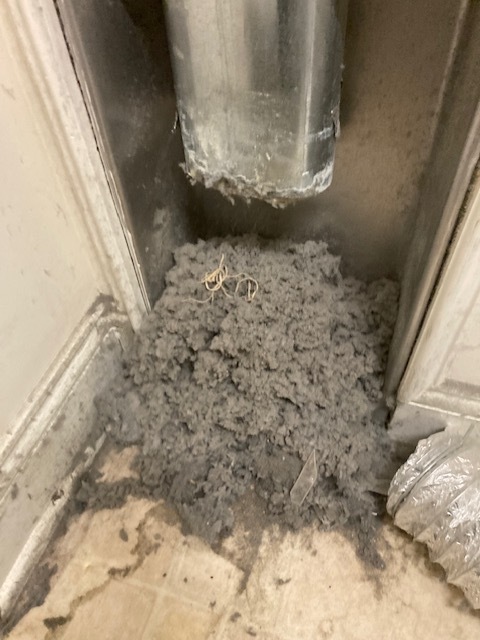
How to Improve Indoor Air Quality with Cleaner Air Ducts and Vents is a common question people, both business and homeowners, are seeking answers to, as awareness of clean indoor air is growing. The quality of indoor air directly impacts our comfort, health and daily productivity. Yet it is often ignored. Dust allergens, mold spores, and other debris build up in dryers and air duct vents, which circulate through workplaces and homes each day. As time passes, this buildup can result in poor air quality and higher energy costs, and a host of health issues. In this article, you will get an understanding of the way that professional air vent cleaning and dryer cleaning are essential in maintaining fresh, breathable indoor air and an environment that is healthier for living. What Is Indoor Air Quality? What is the quality of indoor air? is a frequent question asked by homeowners looking to improve their indoor environment. Indoor air quality is the cleanliness and the condition of the air in enclosed spaces like offices, apartments, homes and commercial structures. It is influenced by pollution, ventilation systems, and humidity levels, as well as daily activities that happen in indoor spaces. Since people spend the majority of their time indoors and in the indoor air, the quality of the air has a significant impact on the health of your respiratory system, comfort and overall well-being. The air inside can be polluted by pollen, pet dander, bacteria, mold and even chemical residues. HVAC systems constantly move air through ductwork, so any pollutants that get trapped inside the ducts are dispersed throughout the area. If there isn’t proper air cleaning of the ducts, these pollutants build up and deteriorate the indoor air quality over time. Why Indoor Air Quality Matters for Your Health The quality of indoor air is important since it directly affects the way we feel and function every day. Insufficient indoor air quality could result in headaches, fatigue, allergies and breathing problems. People with asthma, allergies, or weak immune systems are particularly vulnerable to air pollution. Even healthy people may suffer irritation to the eyes, nose, or throat after being exposed to airborne pollutants for long periods of time. Clean air is conducive to better sleep, improved energy levels and better concentration. A professional air duct cleaning can get rid of invisible pollutants from HVAC systems, stopping them from circulating continuously. If indoor air is hygienic, the living or working space becomes more comfortable and safer. How Air Duct Cleaning Improves Indoor Air Quality The way air duct cleaning can improve the quality of air inside is among the most crucial aspects of maintaining a healthy office or home that is healthy. Air ducts function as the organs of a building by distributing cooled or heated air to each room. As time passes, dust and debris, mold spores and allergens accumulate within the ductwork. Whenever the HVAC system is running, the contaminants are released into the air that you breathe. Cleaning the air ducts professionally can remove the buildup using equipment that removes debris and dust without spreading it across the entire space. When the ducts are cleaned, airflow is improved, and pollutants are not circulated. This means that you will notice fresher air and fewer allergic symptoms. Clean ductwork can also help HVAC systems run more efficiently, which extends their lifespan and reduces the cost of energy. Signs Your Home Needs Air Duct Cleaning Being aware of when air cleaning is required for ducts can help prevent long-term issues with indoor air. If you notice an abundance of dust on surfaces despite cleaning or sweeping, a lack of flow of air between rooms, or a musty smell emanating from vents, your air ducts could be dirty. The emergence of symptoms of allergy, as well as frequent coughing and respiratory irritation, could be indicators of a dirty air duct. Pets, homes with recent renovations or water damage are more likely have a contaminated duct system. Regularly cleaning the air ducts will ensure that indoor air is clean and healthy all year long. How Dryer Vent Cleaning Supports Clean Indoor Air How dryer vent cleaning can help the cleanliness of indoor air is frequently omitted, but it is equally vital. Dryer vents release humid air, hot air and lint out of your home at the end of every drying cycle. When lint accumulates inside the vent, it impedes the flow of air and traps moisture. This creates the perfect atmosphere for the growth of mold and decreases the efficiency of dryers. Vents blocked by dryers can release humidity and dust to the air, causing negative effects on the quality of the air. Professionally cleaned dryer vents eliminate dust and lint build-up and improve airflow. They also stop moisture from getting into the inside. Cleaner dryer vents mean better air quality, less danger of fire, and faster drying times. The Connection Between Moisture, Mold, and Vent Cleaning Moisture plays a major role in the quality of indoor air. When air ducts and dryer vents are wet, mold and mildew can quickly grow. The mold spores can easily be spread through HVAC equipment and could pollute indoor air and cause allergic reactions. A high level of humidity and dirty ductwork can exacerbate the issue. Cleaning the air ducts as well as dryer vents can eliminate debris that traps moisture and improve the airflow. By reducing moisture build-up, they help to stop the growth of mold and make sure that the indoor air quality is better. This is particularly important in humid climates, where mold can grow quickly. How Clean Ducts Improve HVAC Efficiency Clean air ducts do more than only improve air quality; they also increase the effectiveness of HVAC systems. If ducts are clogged with dirt and debris, HVAC systems have to push harder in order to transfer air. This increases energy consumption and strains the components of the system. Professional air duct cleaning will ensure the proper flow of air and allow the HVAC system to operate effectively. Increased efficiency results in lower utility costs, fewer repairs, and a more consistent indoor temperature. Clean ducts also aid in maintaining an even humidity level and help maintain healthy indoor air quality. How
How Often Should You Have Your Chimney Cleaned
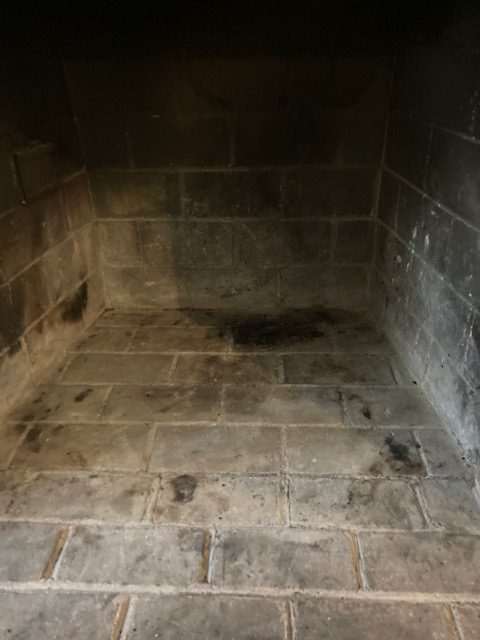
Cleaning the chimney isn’t just a regular job. It is vital to ensure the security and effectiveness of your house. Many homeowners are unaware of the significance of cleaning their chimneys regularly and are not aware of the risks that could be posed by negligence. From preventing chimney fires and improving indoor air quality The benefits of regular chimney cleaning cannot be overstated. In this article, we’ll talk about the frequency at which you should clean your chimney, as well as the reasons why it’s important and how professionals from Chimney Cleaning Services can help. The Importance of Regular Chimney Cleaning The chimney’s purpose is to release gas and smoke from your heating or fireplace system into the outdoor. As time passes, soot, creosote, and other debris build up inside the chimney, causing the risk of fire and decreasing the effectiveness of your fireplace. Creosote is a byproduct of burning wood, is extremely flammable and could ignite if not eliminated. A regular cleaning will ensure that your chimney is operating smoothly and safely, avoiding dangers for your family and yourself. Factors That Influence Chimney Cleaning Frequency The frequency of cleaning your chimney can differ based on a variety of factors. First, the type of fuel you choose to use is a significant factor. Wood-burning fireplaces produce more creosote than pellet or gas stoves, which require regular cleaning. Additionally, the frequency at which the fireplace is used influences the amount of creosote that builds up within the chimney. Homes that are used during the winter months may not require regular clean-up, as those that depend on the fireplace during the wintertime. Another crucial aspect is the type of fuel or wood used to burn it. Softwoods like pine create more creosote than hardwoods, such as maple or oak. Homeowners who use a mixture of hardwoods and softwoods may require scheduling cleaning more often to ensure the safety of their home. Even if your chimney is not often used annually, inspections are recommended to determine any structural problems or obstructions caused by birds, nests or any other debris. Recommended Chimney Cleaning Schedule The majority of experts recommend that chimneys should be cleaned at least every year. The National Fire Protection Association (NFPA) recommends that chimneys, vents, and fireplaces be regularly inspected for any cracks, blockages or other hazards that could be a threat. For fireplaces that burn wood, cleaning might be needed more frequently, particularly when you frequently use your fireplace during the winter months. Fireplaces that use gas or pellets require less frequent cleaning, but they do require regular inspections to ensure safety and efficiency. Homes that heavily rely on their fireplaces may need two or more clean-ups each year. Fireplaces that are frequently used can build up an extensive layer of creosote, greatly increasing the chance of a fire in the chimney. Fireplaces used only periodically might just require an annual inspection and cleaning. Whatever the use, a knowledgeable Chimney Cleaning Services provider can evaluate the condition of your chimney and recommend the appropriate cleaning schedule. Signs That Your Chimney Needs Cleaning In addition to keeping the regular schedule, homeowners should be alert to any indications that a chimney cleaning is necessary. Smelling strong or sharp creosote-scented smoke near the fireplace could be an indication of blockage. Furthermore, gathering of smoke around its opening is also an indicator that something needs to be cleaned within your chimney, while any strange noises or drafts from within it could indicate obstructions that compromise its efficiency and make the fireplace both unsafe and inefficient. Recognising these warning signs early may help prevent expensive repairs or even fires. A trained Chimney Cleaning Services technician can conduct a thorough inspection using special tools to eliminate creosote, soot and debris while assessing structural strength. The Benefits of Hiring Professional Chimney Cleaning Services While some homeowners might try cleaning their chimneys by themselves, however, professionals Chimney Cleaning Services provide expertise in safety, efficiency, and effectiveness that DIY methods simply cannot compare to. Professionals use special brushes, vacuums, cleaners and cameras for inspection to completely clean and examine your chimney. They identify and fix hazards that can possibly be a danger, such as cracks, loose bricks, or blocks. Having your chimney cleaned by professionals will enhance the performance of your fireplace. A clean chimney lets in more air, makes a hotter fire and less smoke in your room. Regular maintenance by professionals can increase the life of your fireplace and chimney, which will save you money in the long term. Seasonal Considerations for Chimney Cleaning The time of cleaning your chimney could be contingent on the season. Many homeowners plan to clean their chimneys prior to the winter months to make sure their fireplace is functioning effectively during the winter months. Some homeowners might opt to clean their fireplaces in the spring after a period of heavy use. Whatever time of year, a yearly check-up and clean is vital to ensure safety and efficiency. In areas that have frequent rainfall or high humidity, chimneys can create more moisture and soot, which can increase the risk of creosote accumulation. An experienced Chimney Cleaning Service can recommend specific cleaning schedules that are based on the climate of your area, as well as the specific usage patterns you have. Preventative Measures to Reduce Chimney Buildup Although professional cleaning is necessary, homeowners must take steps to lessen the accumulation of creosote and soot that accumulates during cleaning. Burning seasoned hardwood instead of softwood can help reduce creosote’s formation. Avoid burning trash, cardboard or treated wood. This can lead to the accumulation of poisonous chemicals and then their release. Checking the chimney cap regularly and the damper to ensure that animals, debris and moisture don’t make it into the chimney, thereby keeping it hygienic for longer. Maintaining a proper airflow is another important preventative measure. Make sure the fireplace’s vents are vented properly, and dampers are utilised correctly. Combining these measures with an annual professional Chimney Cleaning Services ensures a safer and more efficient fireplace. Common Myths About Chimney Cleaning Many homeowners are misinformed regarding chimney cleaning. One of the most common misconceptions is that fireplaces made of gas don’t require cleaning. While gas fireplaces do not produce